
Tulsa, Oklahoma Contact Us Today
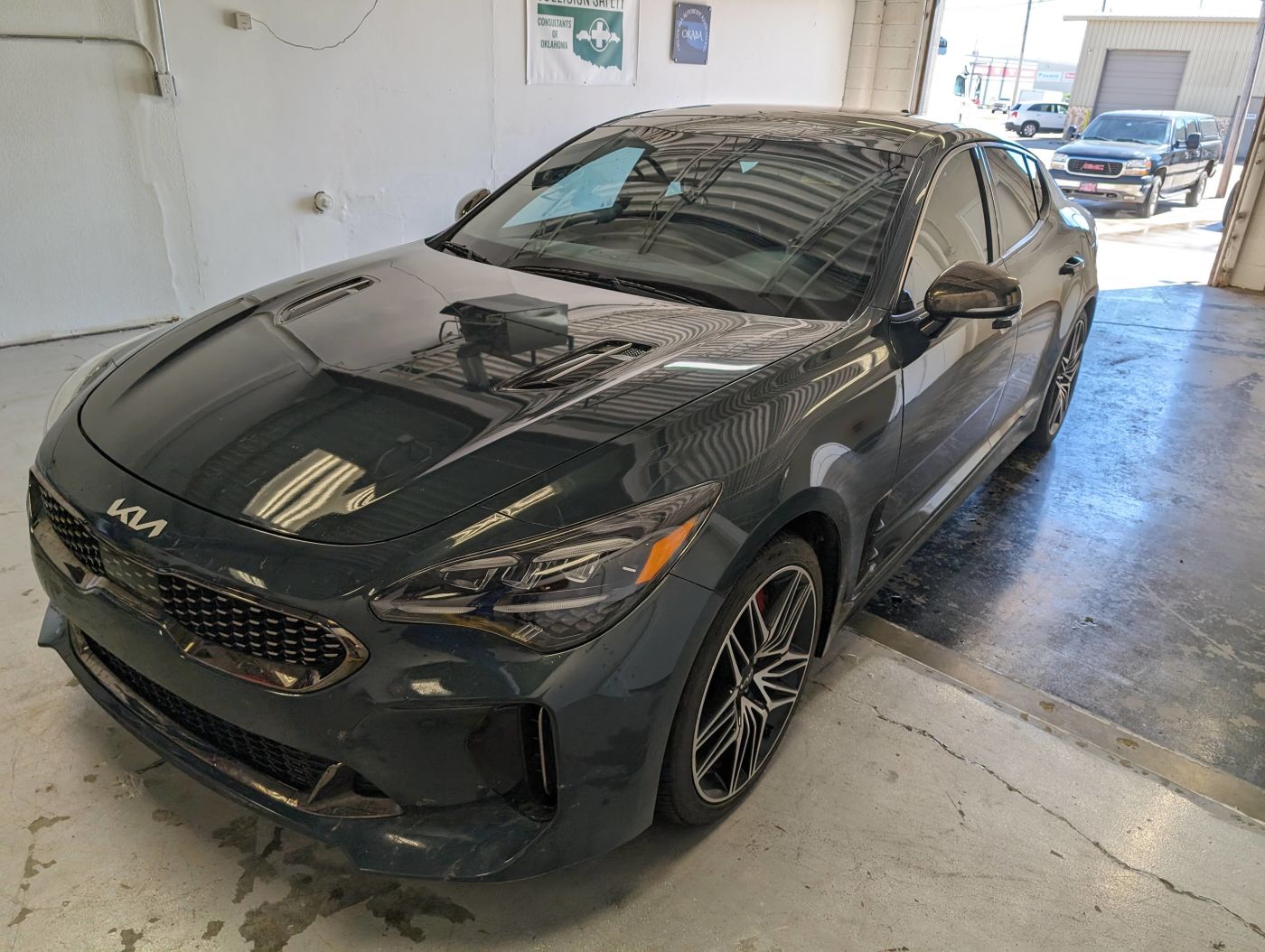
Looks Perfect, Drives Dangerous: How Oklahoma Dealers Sell Cosmetically Repaired Cars With Unrepaired Structural Damage
A used car can look flawless in the showroom lights and still be a wreck underneath. Fresh paint, new bumpers, and a detailed interior can hide a vehicle that was bent, twisted, or torn apart in a serious collision — and never properly repaired where it actually matters.
This is one of the most dangerous forms of car dealer fraud in Oklahoma, because the damage isn't just undisclosed. It's invisible to an ordinary buyer, and it can mean the difference between a car that protects you in a crash and one that doesn't. At Luke Wallace Law Group, we've represented Oklahoma consumers in exactly this situation — buyers who did everything right and still drove off the lot in a vehicle that was never safe to sell.
What "Cosmetic Repair" Really Means
Every used vehicle that comes through a wholesale auction, salvage yard, or insurance total-loss sale has a history. Some of these vehicles suffered only minor damage. Others were in serious wrecks that compromised the frame, unibody structure, airbags, or crumple zones — the parts of the car engineered to absorb impact and keep occupants alive.
Cosmetic repair means exactly what it sounds like: the parts you can see were fixed. The parts you can't see were not.
A body shop — or sometimes the dealer's own reconditioning crew — can replace a hood, repaint a quarter panel, pop out a dent, and detail the interior to showroom condition in a matter of days. None of that requires fixing a bent frame rail, replacing a crushed crumple zone, repairing a misaligned unibody, or reinstalling airbags and pretensioners that already deployed. It only requires making the car look like nothing happened.
Why Structural Damage Is So Dangerous
Modern vehicles are engineered as a system. The frame or unibody, the crumple zones, the airbags, and the seatbelt pretensioners are all designed to work together in a specific way during a collision, directing crash energy away from the passenger compartment.
When a vehicle with that kind of damage is patched up cosmetically instead of properly repaired:
- The frame or unibody may no longer hold its intended shape or strength, meaning it won't absorb impact the way the manufacturer designed it to.
- Airbags may have already deployed and been disconnected, removed, or improperly reset — leaving you with a dashboard light that's been bypassed rather than a system that actually works.
- Suspension, steering, and alignment components attached to a bent frame may wear unevenly, fail prematurely, or behave unpredictably at highway speed.
- Welds, sealants, and structural adhesives that were never properly redone can fail under stress that the original factory construction was built to withstand.
In other words, the car may drive fine on a test drive around the block and still be substantially less safe in the next real collision than the buyer was ever told.
How Dealers Get Away With It
Oklahoma is unfortunately well-positioned for this kind of fraud. Vehicles with structural damage are frequently purchased at auction — often out of state — repaired just enough to pass a glance, and then resold to Oklahoma consumers who have no easy way to see what's underneath the sheet metal.
Common tactics include:
- Buying damaged vehicles at auction, where the seller may disclose frame or structural damage to the dealer, but that disclosure never makes it to the consumer.
- Performing only cosmetic reconditioning — paint, dent removal, detailing — while skipping the structural repair, frame straightening, or airbag system work the vehicle actually needs.
- Relying on silence rather than an outright lie. A dealer doesn't always say "this car was never wrecked." Sometimes the dealer simply never mentions what it knows, hoping the buyer never asks the right question — or asks it and gets a vague, reassuring non-answer.
- Leaning on a "clean" title or vehicle history report, even when the dealer's own inspection or acquisition paperwork shows otherwise. A title or Carfax may say nothing about structural damage that was repaired without an insurance claim or reported sale.
- Selling the vehicle out of state on purpose, knowing that some states report salvage and structural damage more aggressively than others, making it easier for the history to go unnoticed once the car lands on an Oklahoma lot.
Signs Your Vehicle May Have Unrepaired Structural Damage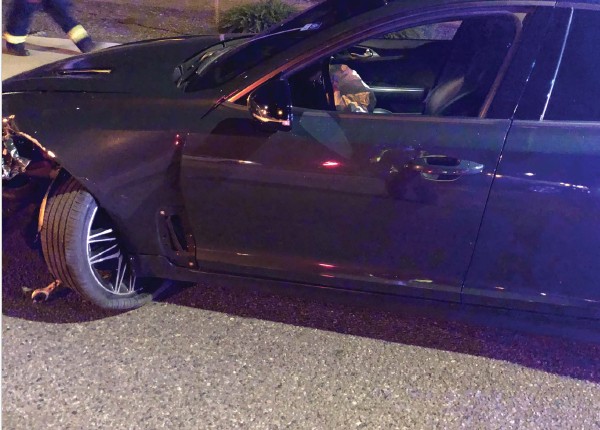
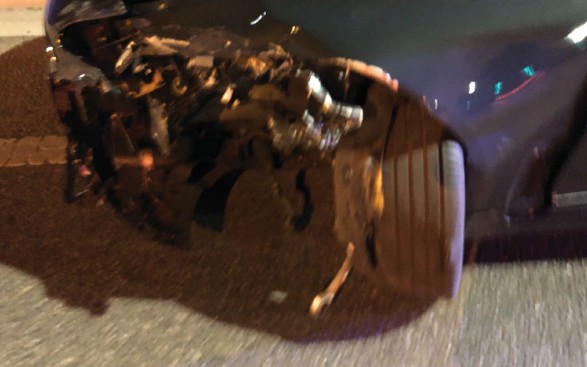
You don't need to be a mechanic to spot some of the warning signs. Before or after a purchase, it's worth checking for:
- Doors, hood, or trunk that don't sit flush, close unevenly, or require extra effort to shut
- Gaps between body panels that aren't consistent from one side of the car to the other
- Paint that doesn't quite match between panels, or overspray on rubber gaskets, weatherstripping, or plastic trim
- Ripples, waves, or texture differences in the sheet metal that suggest filler was used instead of a proper panel replacement
- A steering wheel that isn't centered when driving straight, or a vehicle that pulls to one side
- Fresh undercoating, new bolts, or scraped paint on bolts and frame components underneath the vehicle
- Airbag warning lights, even briefly, or a dashboard that seems to have been reset
- Aftermarket or mismatched wiring near the airbag modules, steering column, or seats
None of these signs alone proves fraud. Together, they're often the first clue that a vehicle was rebuilt to look right rather than rebuilt to be right — and they're exactly the kind of detail a qualified inspection or body shop can confirm.
What the Law Requires From Oklahoma Dealers
Under Oklahoma law, fraud isn't limited to an outright lie — it includes the suppression of facts a seller knows and a buyer has a right to rely on. A dealer who knows a vehicle suffered structural or frame damage, and either denies it or simply stays silent while the buyer asks reasonable questions about the car's history, may be engaging in fraud under Oklahoma law.
It generally doesn't matter whether the dealer made the repairs personally or simply bought a previously repaired vehicle and resold it without disclosure. If the dealer knew — or reasonably should have known, based on its own inspection, acquisition documents, or auction disclosures — that the vehicle had unrepaired structural damage, failing to tell the buyer can expose the dealer to liability.
What To Do If You Think You Were Sold a Structurally Damaged Vehicle
If you already own a vehicle you suspect was cosmetically repaired over unrepaired structural damage, a few steps can help protect your rights:
1. Stop driving the vehicle if you have safety concerns, particularly if you've noticed handling problems, warning lights, or visible misalignment.
2. Get an independent inspection from a body shop or mechanic who has no relationship with the selling dealer, and ask specifically about frame, unibody, and airbag system integrity.
3. Gather your paperwork — the buyer's order, financing documents, any written or texted representations from the dealer, and vehicle history reports.
4. Avoid signing anything new the dealer presents after the fact, including "as-is" addendums or waivers, without speaking to an attorney first.
5. Talk to a consumer protection attorney who has experience specifically with auto dealer fraud before accepting a dealer's offer to "make it right."
The Bottom Line
A fresh coat of paint doesn't fix a bent frame. A clean detail job doesn't replace airbags that already did their job once. When a dealer sells a structurally damaged vehicle cosmetically repaired to hide what's wrong with it, that isn't just bad luck for the buyer — in Oklahoma, it can be fraud.
How Luke Wallace Law Group Can Help
If you purchased a used vehicle in Tulsa or anywhere in Oklahoma and later learned it had unrepaired structural or frame damage hidden behind a cosmetic repair, Luke Wallace Law Group may be able to help. We've spent decades representing Oklahoma consumers against car dealers who conceal a vehicle's true condition, and we know how to investigate these cases — from auction records to title histories to the dealer's own reconditioning paperwork. We have taken on national auto dealers and won, and many of these cases can be handled on a contingency basis, meaning you pay nothing unless we recover for you.
If you believe a dealer sold you a previously wrecked vehicle without disclosing structural damage, contact Luke Wallace Law Group today for a free case review. Tell us what happened, where it happened, and what you'd like to see happen — and we'll let you know whether we can help.
[**Call (918) 233-8405**](tel:+19182338405) or [**request your free case review online**]
Read Related Blog Posts: Clean Carfax but Wrecked Car in Oklahoma? What Dealers Don’t Tell You | Luke Wallace Law Group